What Is a Mortise Lock and Why Does It Dominate Older Queens Homes?
A mortise lock is a complete locking mechanism — latch bolt, deadbolt, strike plate receiver, and sometimes a passage function — housed inside a single rectangular steel or cast-iron case that slides into a routed pocket (the 'mortise') cut into the door's edge. Unlike a cylindrical lockset, which requires only a simple bore hole, a mortise lock set demands precise door thickness and pocket depth, which is why they were factory-fitted during construction rather than retrofitted later. That integration is exactly why they hold up so well mechanically: the lock body is braced on all four sides by solid door material rather than floating in a tube. In Queens, where pre-WWII housing stock is dense — think the attached brick homes along 85th Street in Woodhaven or the Tudor-influenced buildings near Kew Gardens — original mortise hardware is still everywhere, and much of it is still functional after 60 or 80 years with the right maintenance.
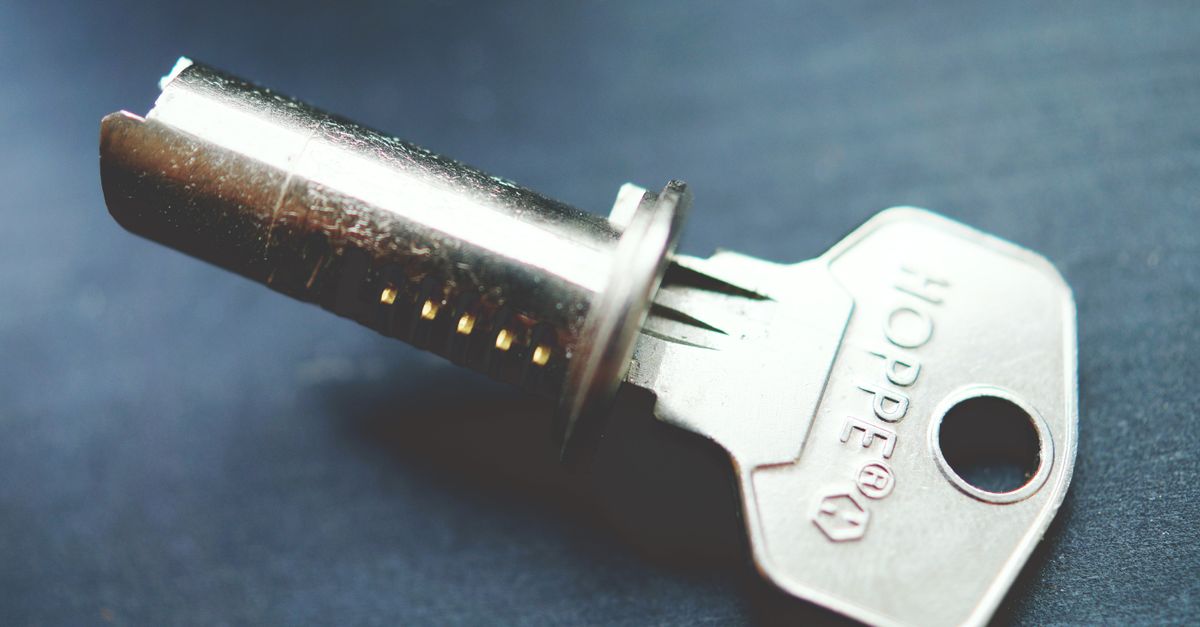
The most common brands our technicians encounter in the field are Corbin Russwin mortise locks and Baldwin mortise locks, both of which were widely spec'd for New York multi-family and attached housing. Corbin Russwin units in particular were a municipal and institutional staple; Baldwin hardware leaned toward higher-end residential with brass trim. Both use proprietary mortise lock cylinder profiles that differ from standard keyways, so cylinder replacement is not a grab-it-off-the-shelf task — it requires matching the cam length, tailpiece orientation, and keyway to the existing case, or swapping the entire case if the original is beyond saving.