Car Key Replacement by Vehicle Brand: What Actually Changes
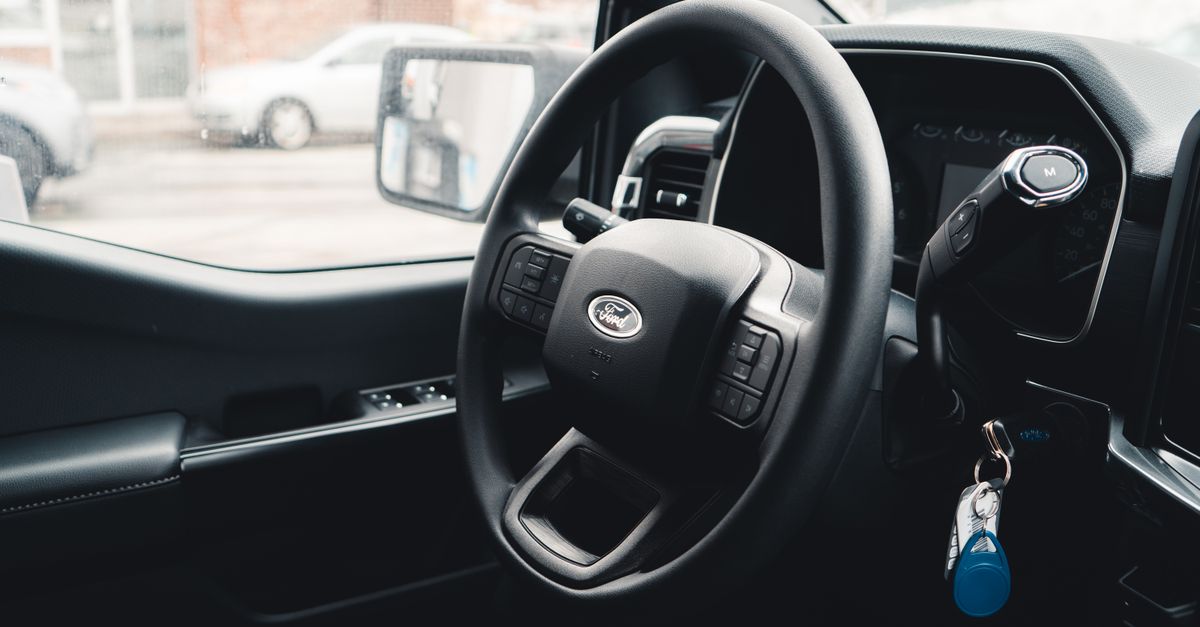
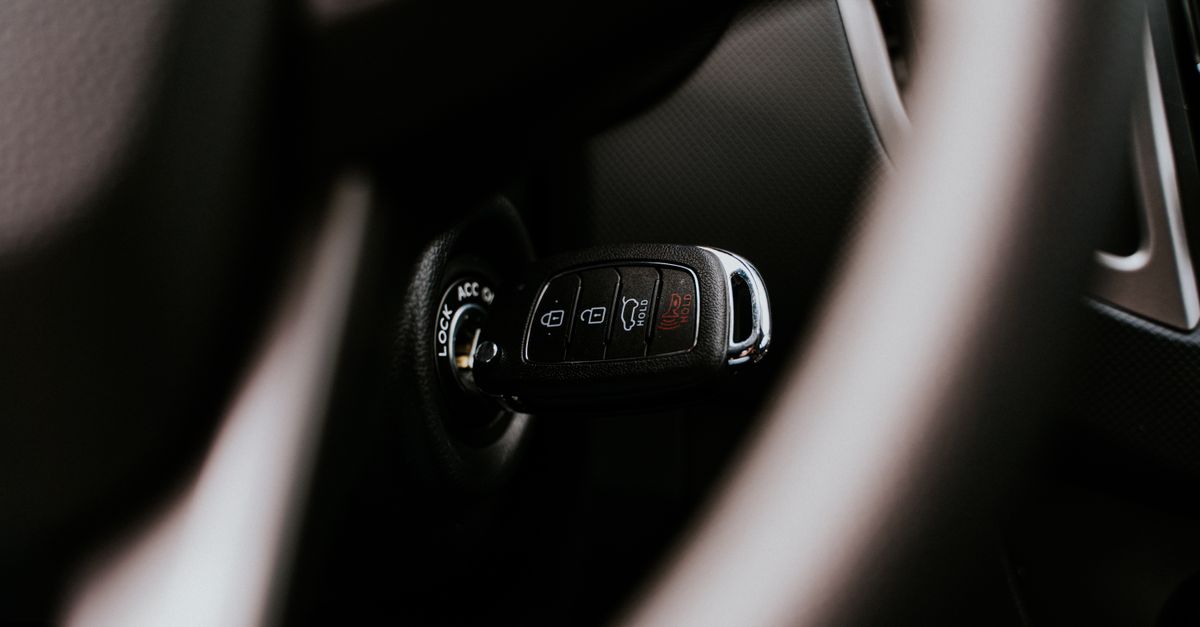
The process of cutting and programming a replacement car key varies significantly depending on the manufacturer — and getting those details wrong means a key that won't start your engine. Toyota and Lexus vehicles, for example, use an 80-bit DST (Digital Signature Transponder) system on most models from the mid-2000s onward, while newer Toyota Camrys and RAV4s use a proximity smart key that must be enrolled through the vehicle's OBDII port. Honda and Acura keys often require immobilizer relearn procedures that differ between model years. Ford and Lincoln vehicles, particularly F-150s, Explorers, and Mustangs built after 2011, use Passive Anti-Theft System (PATS) transponders that must be programmed with two already-working keys present — or with dealer-level bypass equipment that our technicians carry on every run. GM vehicles (Chevrolet, GMC, Buick, Cadillac) frequently use VATS or PASS-Key III systems, and newer models may require Remote Keyless Entry module resets as part of the process.
European brands introduce their own layers of complexity. BMW and MINI keys use a CAS (Car Access System) module that ties the key directly to chassis-specific data — replacing a BMW key without proper VIN verification and programming tools produces a key that will physically turn but never wake the engine. Mercedes-Benz EIS (Electronic Ignition Switch) programming on C-Class, E-Class, and Sprinter vans requires the same professional infrastructure. Volkswagen and Audi use the MQB platform on newer models, where key fob pairing happens through a secured UDS protocol. Hyundai, Kia, Nissan, and Subaru each carry their own immobilizer logic. Our technicians are trained and experienced across all of these platforms — if you drive it in Queens, we've likely cut and programmed a key for it.