Queens NY Locksmith Service Team
Local locksmith team
Mar 4, 2026 12 min read
Running a business in Queens — whether it's a storefront on Jamaica Avenue, a professional office near Long Island City, or a multi-unit building in Flushing — means managing access for a lot of different people. Employees, cleaning crews, delivery vendors, property managers, subtenants: everyone needs a key, but not everyone should have access to every door. That's exactly the problem a master key system is designed to solve, and it's one of the most practical upgrades a Queens business owner can make to tighten security without creating a logistical headache.
This guide breaks down how master keying actually works, when it makes sense for your property type, how it connects to services like mortise lock installation and rekeying, and what questions to ask before you invest. If you're already wondering whether your building could benefit, the short answer is: probably yes — and a qualified commercial locksmith can assess your setup and give you a clear recommendation before any work begins.
## What Is a Master Key System — and How Does It Actually Work?
A master key system creates a hierarchy of access within a single building or group of buildings. At the base level, each tenant, employee, or department gets a 'change key' — a key that opens only their specific lock or set of locks. Above that sits the master key, which opens every lock in the system. In larger properties, you can add a 'grand master' that covers multiple master key groups, or a 'great grand master' for an entire campus or portfolio. Every lock in the system is physically pinned to two or more shear lines: one for the individual change key, and one (or more) for the master. This is done by a trained locksmith who cuts and places additional pin stacks — called master wafers or master pins — inside each cylinder. It is precision work that requires knowledge of key bitting codes, key spacing, and cylinder compatibility.
This is not the same as simply duplicating a key or changing a combination lock code, and it is nothing like the DIY advice you might find about how to change a master lock combination or how do you change a combination lock code for a gym locker. A true master key system is engineered, documented, and controlled. Every key cut is recorded so the system can be expanded or modified later without starting from scratch. For Queens businesses that grow — adding staff, leasing additional suites, or taking on new tenants — this scalability is one of the biggest practical advantages.
## Mortise Lock Compatibility: The Foundation of a Solid Master Key System
Not every lock on your doors is equally suited for master keying, and this is where choosing the right hardware matters enormously. Mortise locks — the type that fits into a rectangular pocket (mortise) cut into the edge of the door — are the industry standard for commercial master key systems in New York. You'll find them throughout older Queens commercial buildings, in professional offices, and in multi-tenant residential conversions, and for good reason: mortise lock cylinders offer more pin chambers, tighter tolerances, and greater key control than the standard door knob lock or cylindrical deadbolt found in residential settings. A skilled commercial locksmith will often recommend upgrading to mortise lock hardware as part of a master key installation, both for security and for long-term system integrity. If you're unsure what's currently installed on your doors, one practical clue is the backset — the distance from the edge of the door to the center of the lock. Knowing how to measure a backset on a mortise lock helps your locksmith confirm the correct replacement hardware without an unnecessary trip: simply measure from the edge of the door to the center of the existing cylinder or handle. That number, combined with the door thickness, determines which mortise lock body and trim will fit your opening.
Queens has no shortage of older commercial stock — converted row houses in Jackson Heights, ground-floor retail in Woodside, mixed-use buildings near Astoria Boulevard — and many of these properties have doors that were last rekeyed decades ago. If you're managing access with a ring of mismatched keys and a prayer, a properly engineered mortise lock master key system is a meaningful upgrade. Our team carries the hardware, the pinning equipment, and the documentation tools to set up your system on-site in a single visit for most small-to-mid-size properties. Call (347) 537-5415 to schedule an assessment — we answer around the clock.
## When Does a Master Key System Make Sense? Real Scenarios for Queens Properties
The honest answer is that master keying is not for everyone. A single-operator business with one entrance and two employees probably doesn't need it. But here are the situations where it pays for itself quickly: Storefronts with back-of-house access. A Jamaica Avenue retailer with a stockroom, a bathroom, and a staff entrance can give floor employees a key that opens only the front door and stockroom, while the owner's master opens every door — including the office safe room. No rekeying required when an employee leaves; you simply rekey that one change key cylinder. Professional office suites. A multi-suite building near Kew Gardens where each tenant controls their own suite but the building manager needs access to all common areas, electrical rooms, and the roof — that is a textbook master key application. Multi-tenant residential or mixed-use buildings. Landlords in Flushing or Corona managing buildings with six or more units consistently find that master keying reduces the cost and hassle of lockouts, maintenance calls, and key tracking. An emergency locksmith call at 2 a.m. because a tenant is locked out costs far less to handle when the building super has a legitimate master key rather than needing a locksmith to rekey or drill.
There are also scenarios where master keying adds risk rather than reducing it. If key control is poor — meaning keys are duplicated freely at hardware stores — the security value of the system erodes fast. A qualified locksmith will talk to you about restricted keyways, which are key blanks that cannot be cut at a standard hardware store and require authorization to duplicate. This is one of the most important conversations to have before committing to a master key system, and it is one reason working with an experienced commercial locksmith rather than a general handyman matters.
## Rekeying, Replacing, and Maintaining Your Master Key System
One of the most common questions business owners ask is: how do you rekey a lock within a master key system when someone leaves the company? The process is more involved than a standard rekey because the cylinder must be repinned to both the new change key bitting and the existing master key shear line — simultaneously. A single mistake in the pinning sequence breaks the master key's ability to operate that lock. This is why master key rekeying is not a good DIY project and why answers to searches like how do you rekey a door lock rarely apply cleanly to master-keyed commercial cylinders. Our locksmiths bring the pinning kits, key gauges, and system documentation needed to do this correctly on the first visit.
Maintenance matters too. Mortise lock bodies should be inspected annually — the internal cam, bolt, and deadbolt mechanisms wear over time, and a worn mortise lock in a high-traffic Queens commercial building can fail suddenly. Cylinder pins corrode in environments with humidity or heavy use. If you notice a key starting to stick, or if the lock increasingly requires a firm lift on the handle to engage, those are signs the mechanism needs attention rather than a new key cut. Our team services and replaces mortise lock hardware for Queens businesses on both a scheduled and emergency basis — day or night.
## What to Expect: Pricing Factors, Process, and Getting Started
A question we hear often is: how much should a locksmith cost in NYC, or what is the average call out fee for a locksmith? We don't publish flat rates because the honest answer is that every job is different. For master key system work, the factors that determine your quote include the number of locks in the system, the type of hardware currently installed (a door knob lock cylinder costs less to repin than a high-security mortise lock with restricted keyway), the number of key levels in the hierarchy, travel distance within Queens, and whether any locks need to be replaced rather than simply rekeyed. For after-hours or emergency work — say, you've had a security incident overnight and need a full rekey before your staff arrives in the morning — the time of day is also a factor. What we always do is confirm an exact price before any work begins, so there are no surprises on the invoice. Regarding what is a locksmith call out fee: it covers our technician's dispatch and travel to your location. We roll it into the total quote so you have one clear number upfront.
People sometimes ask what locks can locksmiths not open, and whether does an emergency locksmith break the lock. To be straightforward: a trained locksmith can open the vast majority of commercial and residential locks without damage using non-destructive techniques — impressioning, picking, or decoding — depending on the lock type and the situation. Drilling is a last resort used only when a lock is damaged, a high-security lock resists all other methods, or time is critical in an emergency. For master-keyed mortise locks, non-destructive entry is almost always possible, and replacement of the cylinder afterward is standard if rekeying is needed anyway. If you're a Queens business owner ready to evaluate whether a master key system is the right move — or if you need an emergency locksmith right now — call (347) 537-5415. We're mobile, we're local, and we're available 24 hours a day, seven days a week.
## Our Commercial Locksmith Services for Queens Businesses
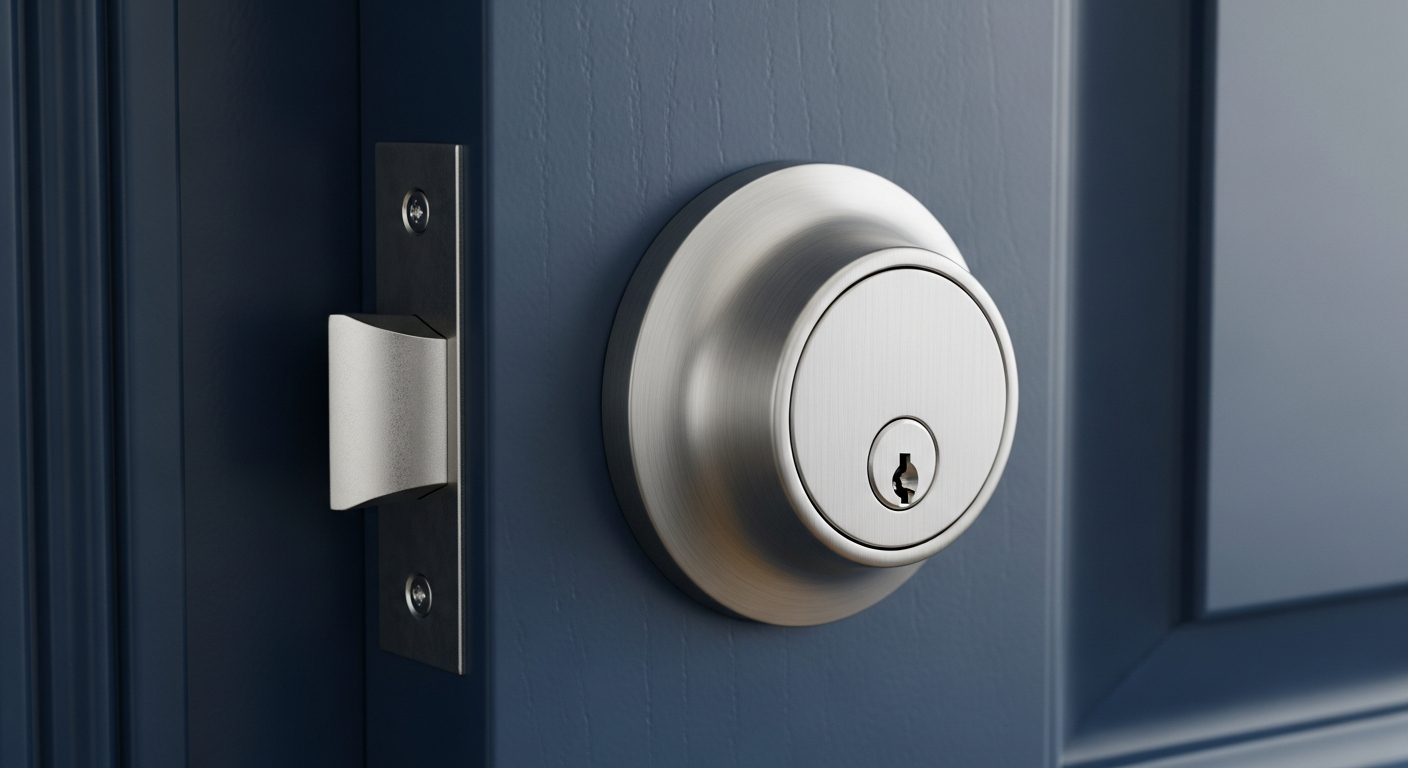
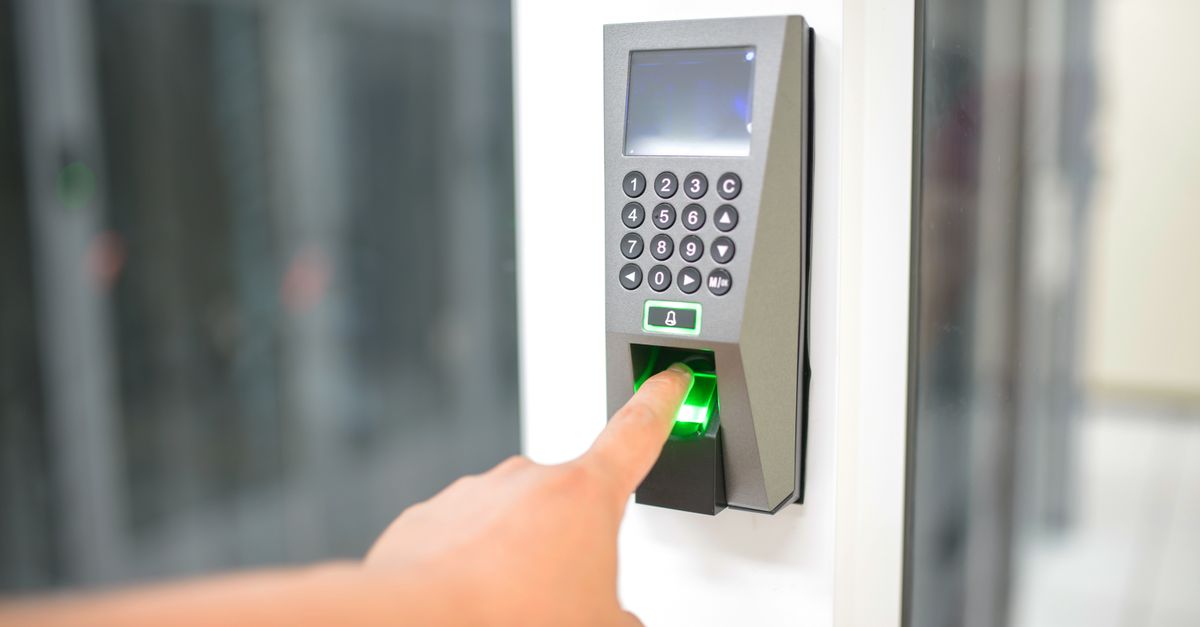
Queens NY Locksmith provides a full range of commercial and residential locksmith services across the borough, including: master key system design and installation; mortise lock installation and replacement; mortise lock cylinder rekeying; high-security cylinder upgrades with restricted keyways; commercial door knob lock installation and rekey; deadbolt installation (single and double cylinder); access control system installation; electronic keypad and keycard lock installation; panic bar and exit device installation; door closer adjustment and replacement; storefront door lock repair; office suite lockout response; building-wide rekey after staff turnover; key duplication (standard and high-security); padlock rekeying and replacement; mailbox lock replacement; cabinet and drawer lock installation; safe opening and combination changes; intercom and buzzer system integration; door frame and strike plate reinforcement; broken key extraction; lock lubrication and maintenance; after-hours emergency lockout for commercial properties; multi-tenant building master key system expansion; and on-site security consultations for Queens storefronts, offices, and mixed-use buildings. Whether your property is a corner bodega in Elmhurst or a professional suite near the Queens Center corridor, our team brings the hardware and expertise to your door — no shop visit required.
Frequently asked questions
How do you rekey a lock inside an existing master key system?+
Rekeying a cylinder within a master key system requires repinning it to two shear lines simultaneously — one for the individual change key and one for the master key. A technician removes the cylinder, disassembles the pin stacks, inserts the correct combination of driver pins, key pins, and master wafers based on the documented key bitting codes, then tests the new key and the master before reinstalling. It is precise work; an error in a single chamber means either the change key or the master key will fail to operate the lock. This is not a process that follows the same steps as a standard residential rekey, which is why professional handling matters.
How much should a locksmith cost per hour for commercial work in NYC — and is there a call out fee?+
There is no single correct answer because the final price depends on factors like the type of lock, the number of cylinders involved, travel distance within Queens, time of day, and whether any hardware needs to be replaced. A call out fee covers dispatch and travel to your location and is included in the upfront quote we confirm before starting any work. We don't publish flat rates online because quoting a number without seeing the job would be misleading — but we always give you an exact price before any work begins so you can make a fully informed decision.
Does an emergency locksmith break the lock, or can they open it without damage?+
In most commercial lockout situations, a trained locksmith uses non-destructive techniques — picking, decoding, or impressioning — to open the lock without damaging it. Drilling is reserved for situations where a lock is already damaged, where a high-security lock resists all other methods, or where time is genuinely critical. For standard mortise lock cylinders and most commercial door knob locks, non-destructive entry is the norm. If rekeying is happening right after the lockout anyway, even cylinder replacement is a planned step rather than an emergency expense.
What locks can a locksmith not open?+
A professional locksmith can open the vast majority of commercial and residential locks — including mortise locks, deadbolts, door knob locks, padlocks, and most electronic locks with physical key override. Some very high-security cylinders (certain certified high-security ratings with anti-pick and anti-drill features) may require specialized tools or more time, but they are not impossible. Locks that are physically destroyed by fire, corrosion, or forced entry may require replacement rather than opening. In any legitimate service call, a locksmith will assess the lock first and explain the approach and cost before proceeding.